What Makes an Exhibition Stand Attractive to Visitors at the NEC? A successful exhibition stand…
How to Manage Staff for a Multi-Day Exhibition at the NEC
How to Manage Staff for a Multi-Day Exhibition at the NEC
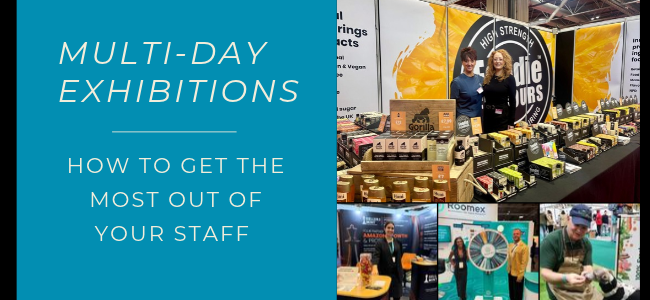
A multi-day exhibition at the NEC gives you several opportunities to meet potential customers, demonstrate your products and build relationships. It also means your stand needs to work well from the moment the doors open on the first day until the final conversations are over. Planning the people on your stand is an important part of that.
When staff understand their roles, know what has happened so far and have the support they need throughout the show, visitors receive a more consistent experience. A little thought before the event can help you avoid gaps in cover, repeated explanations and the feeling that every morning starts from scratch.
Why Does Staffing Matter at a Multi-Day Exhibition?
At a one-day event, the focus is often on preparing the stand and making the most of the hours available. Across several days, you also need to think about how the team will maintain its energy, share information and provide a consistent welcome to visitors who may arrive at any point in the exhibition.
Your own team may have sales meetings, product demonstrations or other responsibilities that take them away from the stand. Exhibition staff can support the activities you have planned, whether that means welcoming visitors, distributing information, demonstrating a product, collecting details or helping your team manage conversations during busy periods.
The right arrangements depend on your stand, your objectives and the roles you want covered. Being clear about those requirements before requesting a quotation makes it easier to discuss the shifts and experience needed for each day.
How Far in Advance Should You Book Exhibition Staff?
It is sensible to begin arranging staffing as soon as your exhibition dates and stand plans are confirmed. Booking early gives you more time to explain the schedule, confirm the duties and share the information staff will need before they arrive. It also gives you time to resolve practical questions, such as where staff should report and who their on-site contact will be.
If your plans are still developing, you can start with the details you already know. Share the event dates, shift times, roles and number of people you are looking for, then provide updates as arrangements are confirmed. For a multi-day booking, it is helpful to discuss whether you need the same staff throughout or whether different team members will cover particular days.
Availability can vary, so it is worth making an enquiry early even if some details are still being finalised.
Should the Same Staff Work Every Day?
Having the same staff return across several days can help create continuity. They become familiar with your products, the layout of the stand and the questions visitors are asking. That knowledge can make conversations feel more natural and reduce the amount of time your team spends repeating basic information.
However, the best arrangement depends on your event and the availability of suitable staff. You may prefer consistent cover for a role that requires detailed product knowledge, while other duties can be handled by staff briefed for individual shifts. If different people are working on different days, a clear handover process becomes especially useful.
When you enquire, explain which roles would benefit from continuity and whether your schedule has any specific requirements. This helps the staffing team understand what you are looking for and confirm what may be possible.
What Should You Include in an Exhibition Staff Briefing?
A good briefing gives staff enough information to feel prepared and represent your business confidently. It should explain what the exhibition is about, what you are hoping to achieve and what each person is expected to do during their shift.
Include practical details such as the event name, hall and stand number, reporting time, dress requirements, break arrangements and the name of the on-site contact. Staff should also understand the key features of your product or service, the audience you expect to meet and how to respond when a visitor asks a question they cannot answer.
For lead collection, explain how information should be recorded and what details matter to your sales team. For demonstrations or sampling, outline the agreed process and what visitors should be told. A clear briefing helps everyone work towards the same aims.
How Can You Keep a Multi-Day Exhibition Team Consistent?
Even with a thorough briefing before the event, useful information will emerge once the show begins. Visitors may raise questions you had not anticipated, a particular product feature may attract more interest than expected, or the team may notice a busier period at a certain time of day.
A short daily check-in gives you the chance to share these observations and make sure everyone knows about any changes. If different staff are working across the exhibition, keep a simple handover note with common questions, important conversations, stock or equipment updates and anything the next shift should know.
It is also helpful to make sure staff know who can make decisions on the stand. If a visitor needs a detailed answer or wants to speak to a sales representative, the team should understand how to direct the conversation without leaving the visitor uncertain about what happens next.
How Should You Plan Breaks and Shift Changes?
Long exhibition days can be demanding, particularly when the stand is busy and staff are expected to remain welcoming and attentive. Breaks should be considered when you agree the shift plan, rather than left until the team is already on site.
Think about which duties must continue while someone is away. If your stand needs a staffed welcome point or a demonstration at set times, plan how those activities will be covered. You should also allow enough time for staff to arrive, find the stand and receive any last-minute updates before their shift begins.
For multi-day events, review the timings for each day. Opening hours, visitor numbers and stand activities may differ, so the schedule that works on one day may need adjusting for another.
What Information Should You Share When Requesting a Quote?
To discuss staffing for a multi-day NEC exhibition, provide the event name, dates, shift times, roles and the number of staff you would like. It is useful to mention whether the same people are needed across several days, what experience or product knowledge is required, and whether there are any particular briefing or continuity arrangements.
You do not need to have every detail finalised before making contact, but sharing as much as you can helps the team understand the booking and check suitable options. If anything changes later, let them know promptly so the arrangements can be reviewed.
Make Every Day of Your NEC Exhibition Count
A successful multi-day exhibition depends on more than a strong opening. The team needs clear responsibilities, useful information and a plan that works across every shift. By arranging staffing early, preparing a practical briefing and keeping communication open throughout the show, you can give visitors a more consistent experience and help your own team focus on the conversations that matter.
If you are planning a multi-day exhibition at the NEC, get in touch with the event dates, shift times and roles you need covered. The NEC Exhibition Staff team can check availability and discuss the staffing arrangements for your event.
Frequently Asked Questions
Can I book exhibition staff for several days at the NEC?
Yes. Share the full schedule, including the dates, shift times, roles and number of staff requested, so the team can discuss availability and any continuity requirements.
Do I need the same staff for every day?
Not necessarily. Returning staff can provide continuity, while different team members may suit some schedules. Explain your preference when you enquire so it can be considered alongside availability.
What should I send before staff arrive?
Provide the stand location, reporting time, duties, dress requirements, product information, key messages, break arrangements and the details of your on-site contact.
Can I enquire before every detail is confirmed?
Yes. You can share the information you have and follow up with changes as your plans develop. Early contact gives you more time to discuss the schedule and staffing requirements.

Related Posts