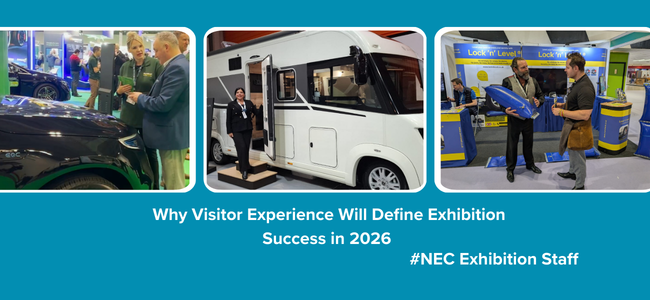
Why Visitor Experience Will Define Exhibition Success in 2026 Exhibitions have always been about more…
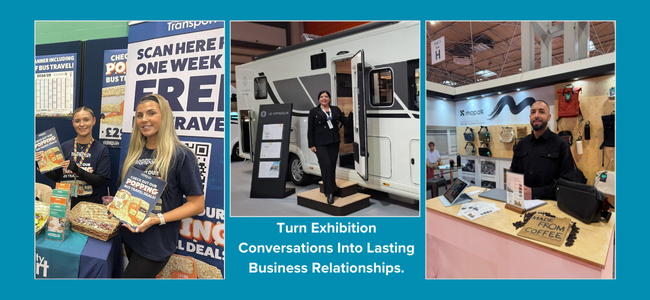
Post-Event Leads: How to Keep Business Momentum Going
Post-Exhibition Follow-Up: Keeping the Momentum Going
Exhibitions, conferences, and business events create valuable opportunities to connect with potential clients, partners, and industry peers. Conversations are started, ideas are exchanged, and interest is sparked. However, the real success of an event often depends on what happens after it ends.
Post-event follow-up is where initial interest is transformed into lasting relationships and measurable business outcomes. Without a clear plan, even the most promising conversations can quickly fade. This guide explores why follow-up matters, how to approach it effectively, and how to maintain momentum once the event doors have closed.
Why Post-Event Follow-Up Is Essential
During an event, attendees are exposed to dozens of conversations, brands, and messages. Even those who expressed strong interest may struggle to remember details once they return to their daily routines. A thoughtful follow-up helps reinforce your presence and keeps your business top of mind.
Effective post-event follow-up allows you to:
Strengthen relationships built during the event
Clarify next steps while the conversation is still fresh
Demonstrate professionalism and reliability
Convert interest into leads, meetings, or sales
Maximise the return on your event investment
Failing to follow up, or doing so too late, can give the impression of disorganisation or lack of commitment. Timely, relevant communication shows that you value the interaction and are serious about continuing the relationship.
Reviewing and Organising Your Event Leads
Before reaching out to contacts, it is important to review and organise the information collected during the event. This step helps ensure your follow-up is focused and relevant.
Start by sorting contacts into categories based on the level of interest shown. For example, some individuals may be ready for a sales conversation, while others may be at an early research stage or simply interested in learning more.
Accurate notes from the event are invaluable at this stage. Details such as specific questions asked, products discussed, or timelines mentioned will help you personalise your follow-up and avoid generic messaging.
By taking time to organise your leads properly, you can prioritise the most promising opportunities and tailor your approach to suit each contact.
Timing Your Follow-Up for Maximum Impact
Timing plays a crucial role in post-event follow-up. Reach out too soon, and your message may feel rushed or impersonal. Leave it too long, and the connection may lose its impact.
As a general guideline, contacting leads within a few days of the event is ideal. This allows you to reference the event while it is still fresh in people’s minds, without overwhelming them immediately.
When following up, aim to strike a balance between being proactive and respectful. A well-timed message shows attentiveness and helps maintain momentum without applying pressure.
Personalising Communication After the Event
Personalisation is key to effective follow-up. Generic emails sent to every contact rarely stand out and can easily be ignored. Instead, referencing something specific from your conversation helps re-establish rapport and reminds the recipient why the interaction was meaningful.
A personalised follow-up might include:
Mentioning the topic you discussed at the event
Referring to a shared interest or challenge
Providing information that directly relates to their needs
This approach demonstrates that you were engaged during the conversation and that you value the relationship beyond the initial meeting.
Choosing the Right Follow-Up Method
Different contacts may respond better to different communication methods. Some prefer email, others may welcome a phone call or a professional networking message. Consider the nature of your interaction when deciding how to follow up.
Email is often a practical starting point, allowing recipients to respond at their convenience. Phone calls can be effective for warmer leads or where a more immediate discussion was suggested. Professional networking platforms can also be useful for maintaining long-term connections.
Whichever method you choose, ensure your tone remains professional, friendly, and consistent with your brand.
Maintaining Relationships Beyond the First Follow-Up
Post-event follow-up should not be seen as a single action. Building lasting relationships requires ongoing communication and genuine interest. Once initial contact has been made, consider how you can continue adding value over time.
This might include sharing relevant industry insights, inviting contacts to future events, or updating them on developments that align with their interests. Regular but thoughtful communication helps maintain visibility without becoming intrusive.
Consistency is more important than frequency. Staying in touch in a meaningful way reinforces trust and positions your business as a reliable point of contact.
Measuring the Success of Your Follow-Up Strategy
Understanding how effective your follow-up process is can help refine your approach for future events. Reviewing outcomes allows you to identify what worked well and where improvements can be made.
Key factors to consider include:
Response rates to follow-up messages
Number of meetings or calls arranged
Progression of leads through the sales process
Feedback from contacts
Analysing these results provides valuable insight into how your post-event efforts contribute to overall business goals.
Common Post-Event Follow-Up Mistakes to Avoid
While follow-up is essential, there are common pitfalls that can reduce its effectiveness. Avoid sending overly sales-focused messages too quickly, as this can feel impersonal and rushed. Similarly, avoid vague or unclear communication that leaves the recipient unsure of next steps.
Another frequent mistake is failing to keep internal teams aligned. Ensure that everyone involved in follow-up understands priorities, messaging, and responsibilities. Clear coordination helps maintain a professional and consistent approach.
Turning Conversations into Long-Term Value
Events create opportunities, but follow-up creates results. By approaching post-event communication with clarity, organisation, and genuine interest, you can turn brief conversations into lasting business relationships.
Effective follow-up keeps momentum alive, reinforces your brand’s professionalism, and ensures that the time and effort invested in attending events continues to deliver value long after the event has ended.
Top Tips for Successful Post-Event Follow-Up
Review and organise leads as soon as possible after the event
Follow up while conversations are still fresh
Personalise your messages based on discussions held
Choose communication methods that suit each contact
Focus on building relationships, not just closing sales

Related Posts